

Some writing is easy. It comes easily and flows almost automatically from my brain through my fingers and on to the page. My brain has already done all the work and doesn’t feel the need to interfere with editing or additions while I’m writing.
This kind of writing doesn’t make me stop and consider whether this is really how I want to say The Thing. Or if The Thing needs to be said at all. This easy, almost-done-right-from-the-beginning writing, at least for me, is pretty rare.
Most of the time, I write a bunch of stream of consciousness on the page (or more accurately, I type it into a Word document or a draft on the blog). Then I leave it for weeks and weeks. Sometimes I’ll come back to it, reread it, and declare it not so great but usable. I’ll then copy and paste sentences from one place to another. I’ll add a few words, leave notes in brackets or bold, and make spelling errors, but leave them for later.
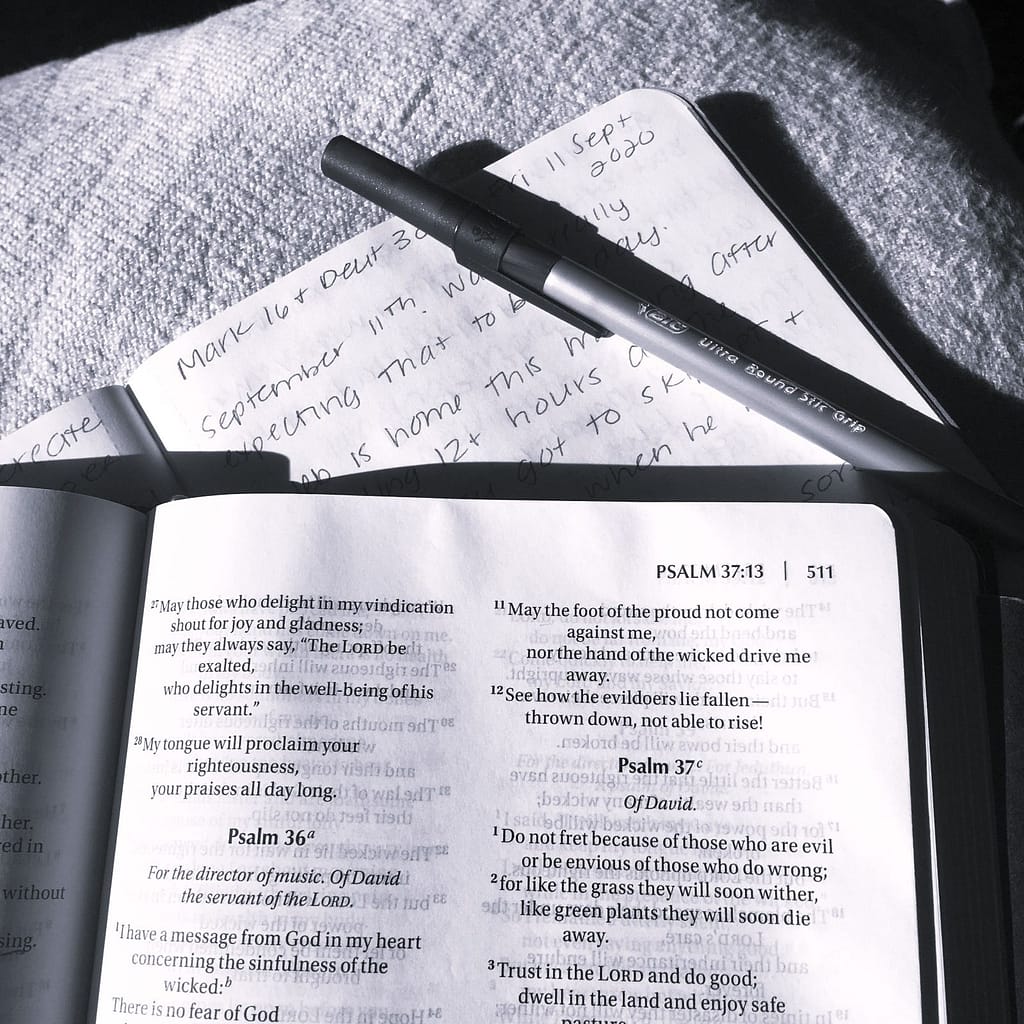
Then I’ll save it and close it again for weeks and weeks. At some point, I return to it again, moving and reworking words until they sound a bit more cohesive than before. Eventually, even if I’m not completely happy with it, I declare it done. I’ll copy it to the blog, add some photos, and voila! A new post!
Crock-Pot vs. Microwave
As an example, I wrote most of this post in 2020 (that’s at least 260 weeks ago, for those of you keeping score at home). It was then that I named and formed the internal sentence for my style of writing – I’m a crock pot writer.
What I mean is, it takes time for things to simmer in me, to know what I think about something. Other writers and content creators are microwave writers. They can quickly churn out engaging content, seemingly without painstaking effort, second-guessing, or imposter syndrome.
Of course, there’s nothing wrong with either type of person. But being a crock-pot writer means that, sometimes, I never get up the courage to say the thing at all.

One way I help to combat the tendency I have to let my writing “simmer” is to commit to posting weekly. Sometimes that means I’m reworking older ideas. But most of the time, what I’m posting are things I’m writing that week.
Way back in 2020, I adopted a new mantra. “Done is better than perfect.” I didn’t want to get caught up in not posting something because I didn’t think it was done enough. Perfect enough. Finished enough.
The mantra these days is – done is better than perfect.
Done is Better than Perfect
Of course, that’s easy to say but hard to do. As a recovery perfectionist and people-pleaser, this concept is foreign to me. But still, I repeat the phrase to myself over and over. (This is especially true in this season, when I am making a concerted effort to post something in this space weekly.)
Writing in a public space is hard because I worry about how I’m being perceived. I don’t want to offend anyone, misrepresent a place, or say something wrong under any circumstance, and this often keeps me silent.
And yet, I know I have things to say. They may not always be necessary, earth-shattering, life-changing things, but being a writer is so deeply ingrained in who I am, I can’t imagine not doing it.
Learning to Live with the Fear
So, instead of letting fear boss me around and tell me where to stand (or what to write), I’m choosing to take back control. Fear can stand in line with me, but it’s not at the front anymore.
That may sound drastic, but through some inner work, I’m learning that much of my hesitation stems from fear. Fear has dictated so much of life (both with my knowledge and without). But now that I know this, I can learn to live with it instead of fighting against it.
Because, if we’re honest, we know fear never really goes away. It’s always there, and in many situations, fear is a good and helpful emotion. But, just like anything, there’s a time and place. And my writing space has no more room for uncertainty, doubt, and fear.

The truth of the matter is, someone will always find something to criticize about the art we put into the world. But that’s their problem. It’s brave to put things out for others to see, consume, learn from, and judge. It’s a form of bravery not everyone has.
The act of making the art, or doing The Thing, outweighs perfection. What we learn in the process is far more valuable than being correct.
And as it turns out, things change. We change. Our art may be out in the world forever, and people may make assumptions about us because of it. And while it may have been true to who we were at the time, it might no longer be true of us.
So put the less-than-perfect art out into the world. Be brave enough to be seen doing it messy, doing it scared, doing it unsure. Because at least we’re doing it.
