
This post comes from January 2010. During my senior year of college, I took a class entitled “Life Journeys.” Part of our grade involved keeping a journal and submitting “small writings.” Small writings had particular requirements, including printing enough copies for everyone in the class. We played a song, passed around our writings for everyone to read, and waited anxiously for feedback.
In 2010, I was less than a year out of college and still practicing regular journaling and “small writing” writing. I liked the process, and my journal was more than just record keeping (which is most of my journal writing these days).
This “small writing” style writing is a memory from my childhood and summers spent being adventurous.
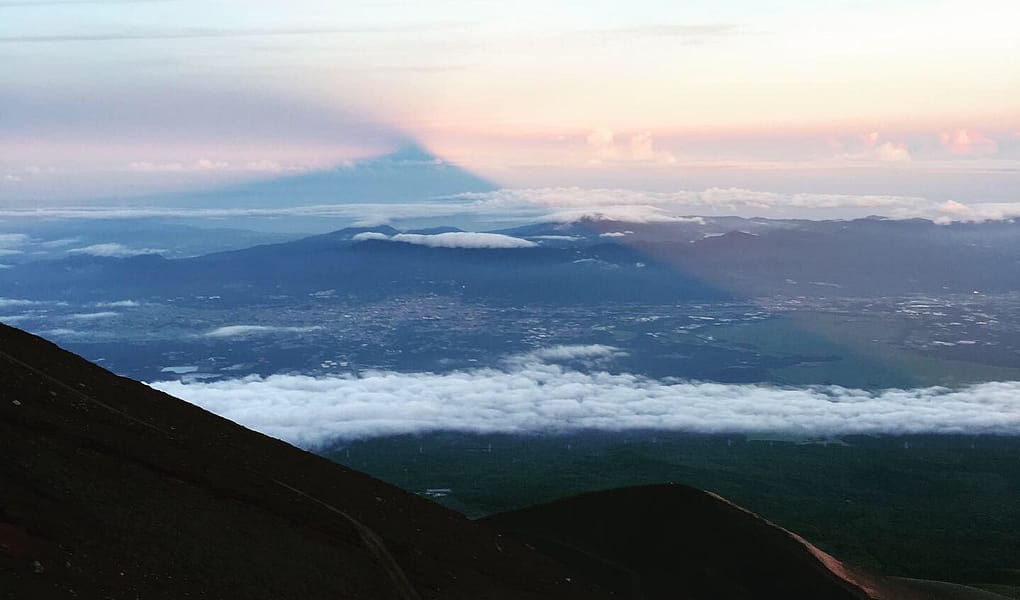
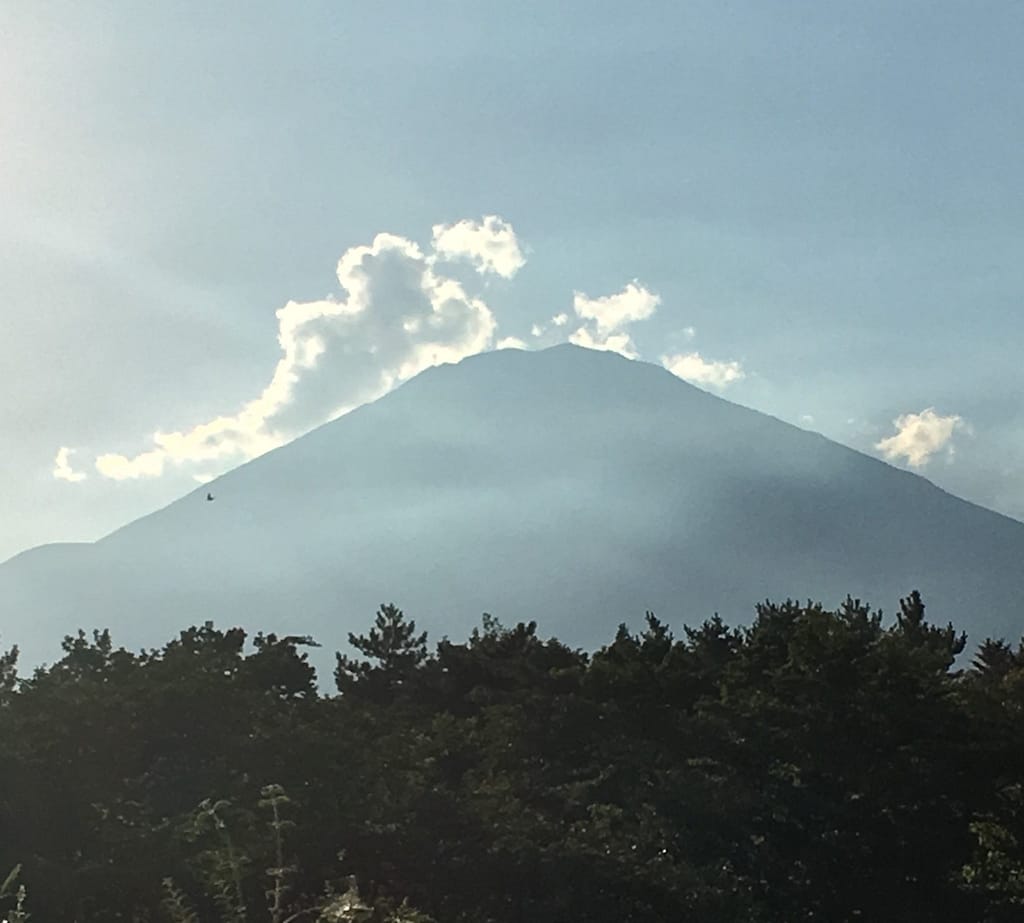
I don’t have any photos of my grandmother’s house or that rock fort. So, in the same spirit of adventure, enjoy these photos from the time I climbed Mt. Fuji.
When you’re a kid, imagination is your ticket out. One of the major facilitators of imagination, at least for me, was exploring nature. My grandmother had the perfect backyard to do this.
The house was in a neighborhood, towards the beginning of the street. As an adult, I learned my mother’s family had this house built. Until somewhat recently, our family was the only occupants.
Going to Grandma’s
At the front of the house, steps and a long concrete walkway lead visitors and family from the street. The outer screen door squeaked when pushed open, followed by a white wooden door with small windows and a knocker.
Oftentimes, I didn’t even enter here but proceeded to run around the right side of the house to the backyard. A low concrete wall served as a barrier, separating the front yard from the side. (Once, after falling from a tree I wasn’t supposed to be climbing in the first place, I lied to my mother and told her I fell from this wall. Sorry, Mom.)
I might skip, run, or walk down the slight slope that is the side yard and into the wide backyard. A small white shed was on the right at the end of the yard, and a chain link fence boxed me in. A gnarled cherry tree had a residence close to the house.
The Bridge to Another World
On particularly exciting days, namely those when my male cousins visited from out of town, I would march through the yard without a second thought. I headed straight for the long wooden bridge, darkened with age and weather, intending to cross the creek bed to the other side.
I remember two times when using the bridge was not an option. Once, it was a particularly hot summer, and the creek had dried up. Large, rounded, and dusty rocks covered the dry wash. Carefully testing my way down the side of the slope, I made my way across to the other side.
The other time was a season of too much moisture, and a flood caused the bridge to come loose from its supports. We found it parallel to the creek, which had turned into a river, stuck fast on the other side. That summer stood still until the bridge was repaired. I’m still not sure how they fixed it.

On the Other Side of the World
Across the passageway, another world took shape. A mountainside, shooting vertically upward toward the sky, offered unlimited adventures. About halfway up was a naturally occurring rock fort, where large mossy boulders wedged together, overlapping to form a protective barrier against the world.
The trek up was challenging, even on my youthful frame. Pulling on trees for support, I often arrived at the fort breathing heavily.
Once, I had a golden dragon necklace with me, a gift from my grandmother. It was large, maybe an inch and a half tall, but also thin and delicate, with a pale green stone inset in the back. At the time, I believed wholeheartedly that the necklace was the reason I made it up the mountain.
My cousins and I would play cowboy-and-Indian type games, taking refuge behind the rocks, grabbing onto the spindly trees for balance. I might pull some leaves off the low-growing plants and grind them between rocks, ensuring that my cousins returned to the fort with sustenance waiting for them.

The Journey Continues
If we were feeling especially daring, we would continue up the mountain. We would emerge from the woods and step into a clearing. Looking around, I wondered what it must be like to see this mountain top before civilization. What was it like before the trees were cut down, making room for the wide power lines, drooping slightly between towers, covering miles in a single bound?
The trip down was almost more difficult than the journey upward. Our feet led the way, and it was sometimes easier to almost slide homeward on your bottom, standing up to discover leaves up your shorts and hands rough from grabbing trees.
We would come back to grandma’s house tired and sweaty, the smell of the outdoors on our clothes and hair.
