

I never thought this challenge would affect my life so much. This month, I challenged myself to write and post one haiku a day on Instagram. The idea was born out of a desire to live and love my real life. For a while, I’ve felt on autopilot – each day home with the kids, each day about the same. We had a good routine. I didn’t dislike my life, but I wasn’t in love with it.
Then my dad died. Watching him at the end of his life last year really inspired my word of the year for 2026. We were all sad and scared, but there was so much joy and gratitude during that time, too.
I spent some time with my mom after he passed, and not long after I came back home, a song came up on my Spotify I’d never heard before. Something about this song really resonated with the transition we were going through. Even months later, it still brings tears to my eyes.
The artist, Heather Maloney, is writing about a holiday. She visits her childhood home and sleeps in her brother’s old room. The room was once hers, and she’s recalling how the room has changed over time. How nothing is ever really ours to keep.
Towards the end, she has a line that continues to bring a lump to my throat. “Even our bodies are places we stay.”
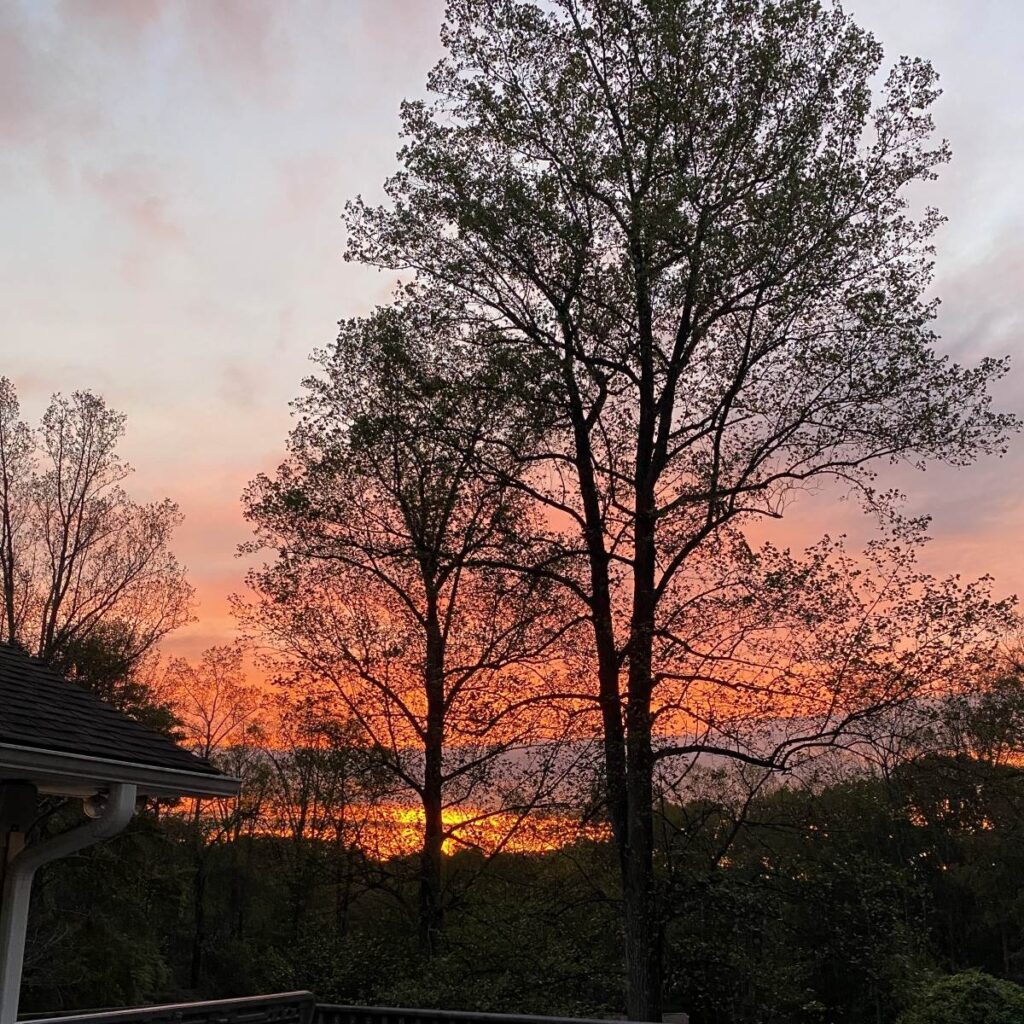
Since my dad passed, I’ve been doing my best to pay attention to and appreciate my actual life. We spend so much time striving for a life that’s different from the one we have. We waste years wishing we had a different body, a different house, the latest tech, a different spouse.
Maybe we wished we lived in a different town or had a better paying job. We wish and plan so much of our lives away. As a grade-A planner with anxiety, I know I’ve done this too.
But something about death brings the impermanence of our real life into stark focus.
Blessed Ordinary
For a while now, I’ve been looking for a way to document the actual days of my life. My kids are young, and while the days seem endless now, I know they are only a drop in the bucket.
I wanted something more than journaling, which for me is largely record-keeping. Instead, I was looking for a quicker way to capture the moment, in the moment.
A daily photo on my phone didn’t feel right either. The curse of having a tiny computer in our pocket is that the photos we take on it usually stay there. I was looking for something to share publicly, but I won’t put most of my kids’ photos online.
Some of this desire to capture the bite-sized moments of life stems from a renewed interest in poetry. While traveling back East in May, I stumbled across a book of poetry in a Habitat Restore. I carried it around while we looked, unsure if I would commit to buying it. But just flipping through it, I knew I wanted it.
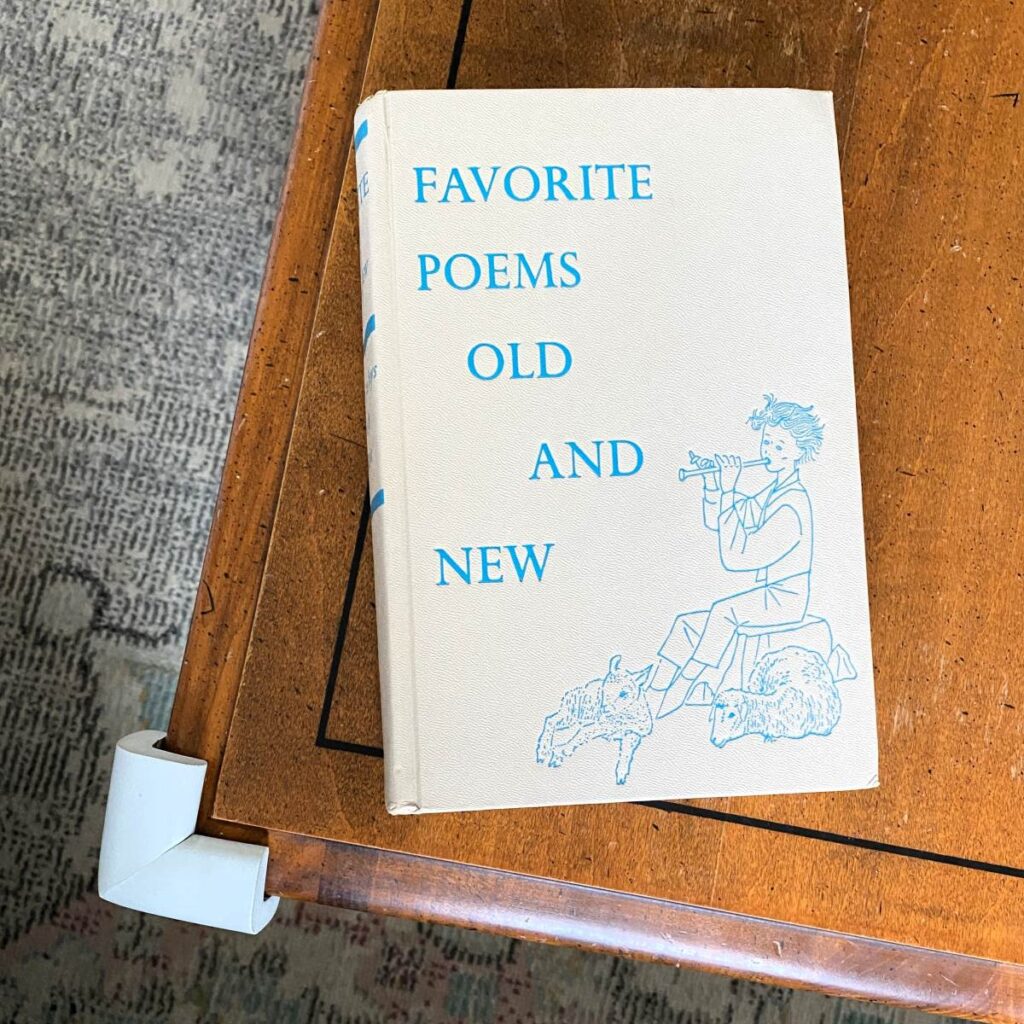
I don’t feel qualified to write poetry, although I know there really is no such thing as “qualified”. But I find myself drawn to how poetry can hone in on one small moment and make it feel big and meaningful. I like how it elevates the everyday, mundane, or often overlooked pieces of life to something worth reading about.
And in all this thinking I’ve been doing, I was struck with an idea.
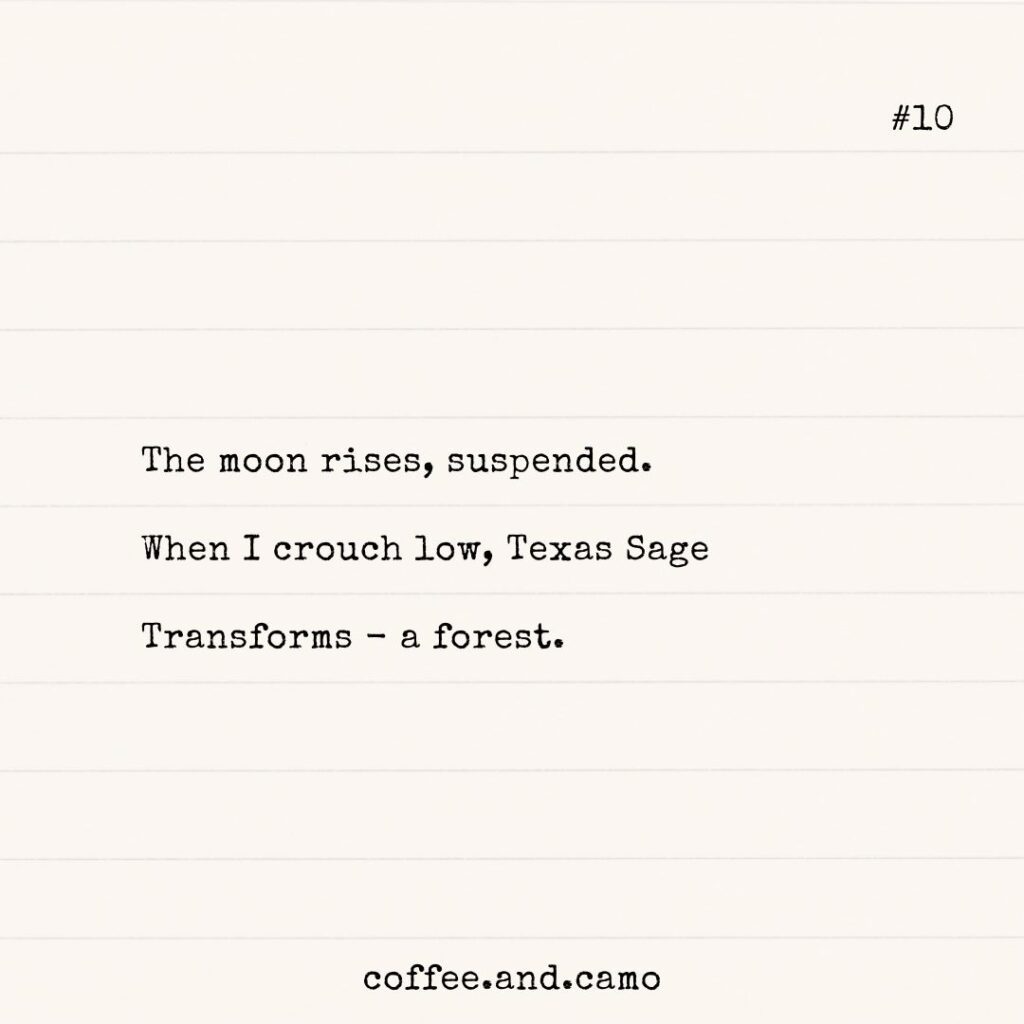
This month, I’ve been writing and posting a haiku a day on Instagram. Haiku feels like the most approachable form of poetry. It feels like a manageable thing to experiment with. You know, low stakes.
So every day I’m posting a haiku and a photo from my actual life. Short, sometimes sweet, maybe serious or silly. Maybe a few more words about what’s happening, but maybe not.
The first few days, as I sat with the idea, I jotted a few down. There is something alluring about distilling a moment down to three lines. Seventeen syllables. But it’s tricky, trying to capture the essence of a moment in only a few words.
Using Haiku To Be More Present
As parents, but especially as mothers, we’re constantly told to soak it all in.
But it’s a lot of pressure to feel like you have to be present and appreciative in every moment when your kids are young. As if stepping away to do something for yourself, anything, means you’re going to miss it. The “seasoned” parents often say things like, “Enjoy it, it won’t last forever.” “Children are such a treasure.” “This age goes so fast.”
I’ve never been more aware of the passing of time than I have since becoming a mom. Every day I wake up and notice that my kids have grown, or their hair has darkened slightly. Now, there’s a slight gap between his front teeth where there wasn’t one before. Yesterday, he wasn’t saying that word correctly.
I feel the weight of time passing. But this haiku project has helped me to capture it, tame it, remember it. I know I don’t have the best memory. There is a lot of their childhood I will forget. There is a good chance that when they are older and ask me for specifics about these early ages, I may not have a lot to say. Feelings and impressions may remain, but specifics fade.
I was having small, ordinary moments with my kids each day that stopped me in my tracks. In these moments, I would hear a small voice, begging me to remember this. But how? I couldn’t pull out my phone and wax poetic each time my kids did something I deemed worth remembering.
And I didn’t want to do that. I wanted to be off my phone more. Face up, paying attention, basking in the wonder of my kids.
Then the idea of haiku. I could write the poems in my head, pen them in a notebook, or quickly on my phone. Maybe I snap a photo of the moment and write the words later. But with such a short form of poetry, the option to record my thoughts in the moment is very appealing.
God Can Use the Small, Too
These days, maybe more than ever, I have my eyes open for God. I have to wonder if this is another way God is calling me home to myself and closer to him.
For as long as I can remember, I’ve been drawn to the ordinary, to noticing, to the idea that the mundane and everyday are worthy of elevation and celebration.
As a child, I would sit on the porch for hours, watching a spider catch and enjoy a meal. In college, walking to the nearby coffee shop would set my brain spinning with the wonder in the world.
When I had kids, life shifted a bit from appreciation to survival. Now that they’re a bit more self-sufficient, I feel like I’m coming home to myself again. As if I’m reintroducing myself to a piece of me that was vitally important when I was younger.
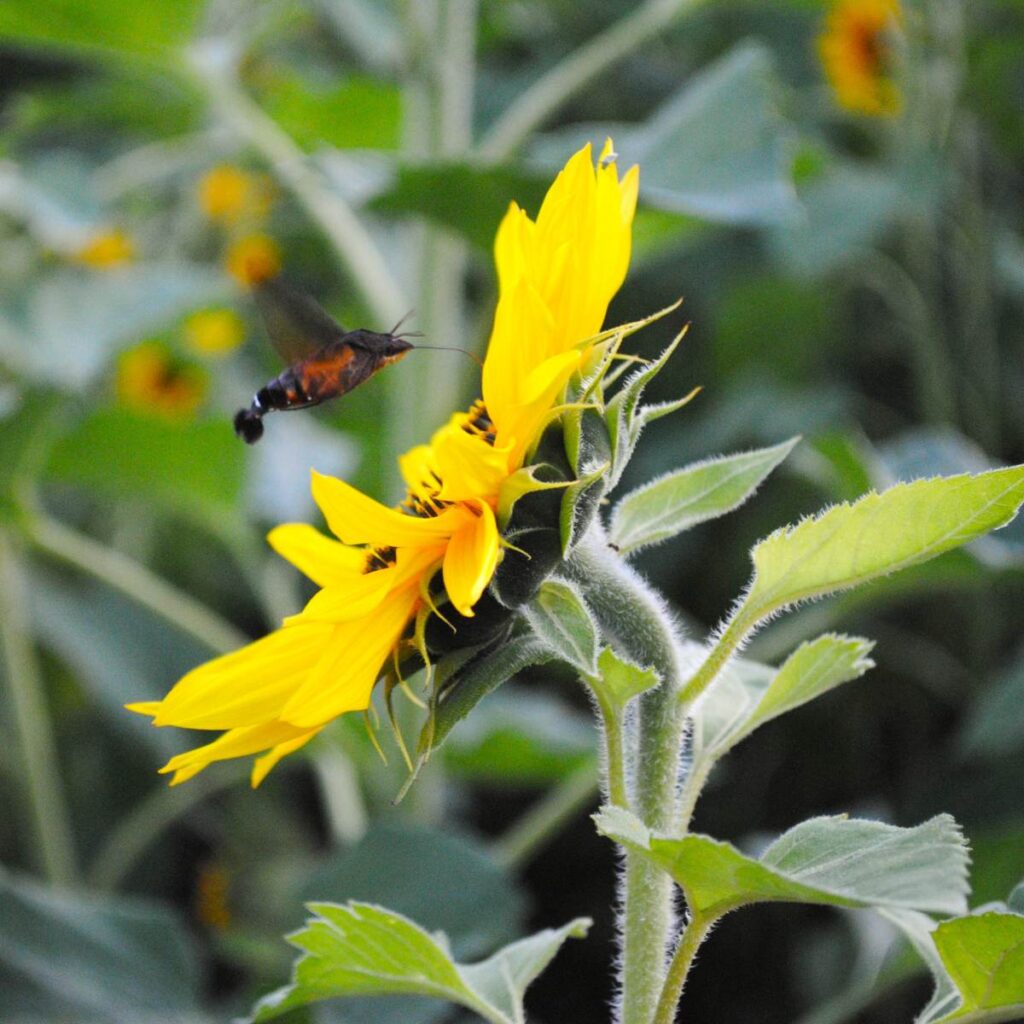
The idea of a daily haiku has excited me and even brought tears to my eyes. When I think about it, it feels like maybe God is gently calling me and offering a tangible way to help me pay more attention to my actual life. He knows my heart, what moves me, and gets my attention. He knows I’m drawn to the small, the ordinary, the magic in the everyday.
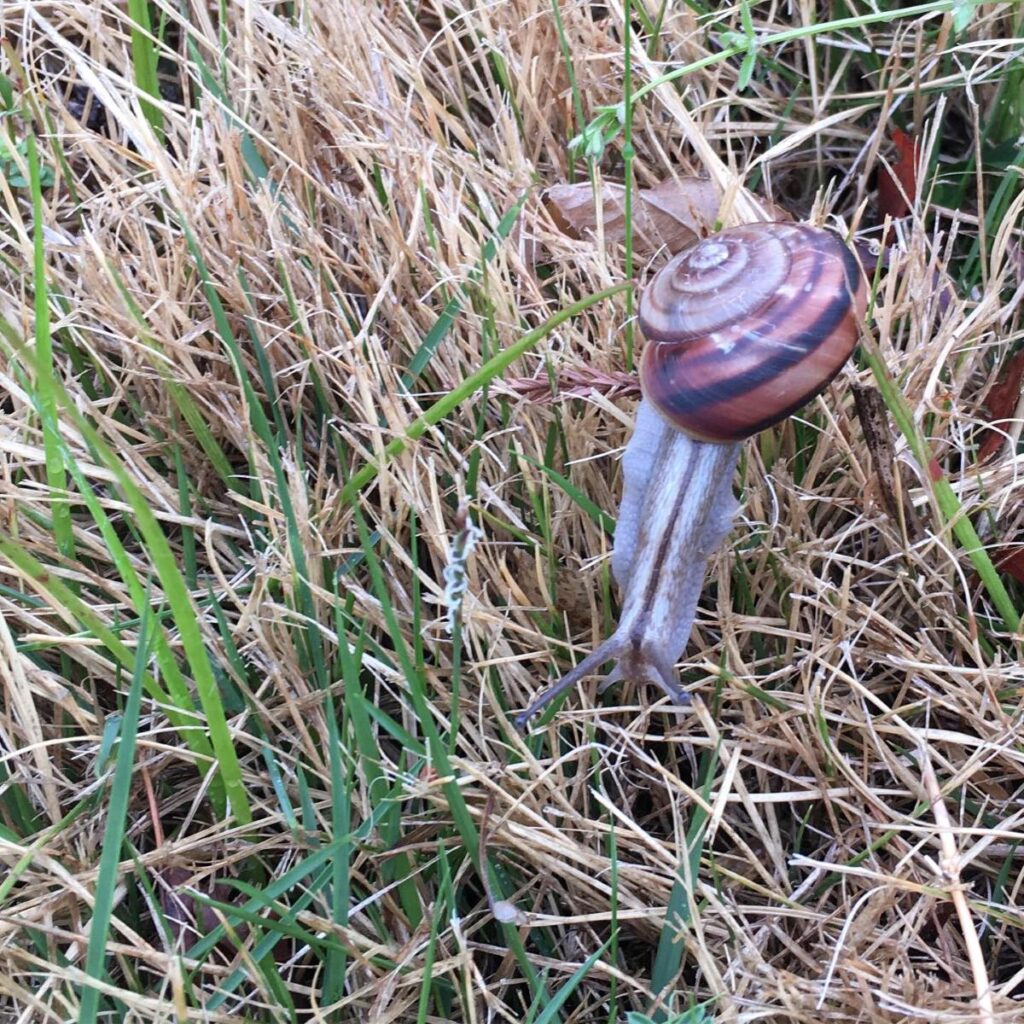
Something about this feels like a gentle nudge, a Father giving a good gift to his child. He is bringing himself close to me, kneeling down to teach his daughter. And I feel overwhelmed by the imagery of a big God, bringing himself low to meet with me.
Maybe I’m thinking about my own father. Remembering all the times he brought his face close to mine to share a secret wisdom about life. Maybe I’m just missing him.
Whatever it is, I remind myself to pay attention to the tears. They matter. Their quiet flow, without knowing quite why, means something. There is a stirring in my heart. To be more present, more grateful, to soak up every moment of my life.
In the age of AI, it feels important to keep doing things the “old-fashioned” way. To keep connecting with ourselves and the people around us. To keep sharing the work we’ve put time, energy, thought, and emotion into.
“Even our bodies are places we stay.” I’m not great at being in my body. But this daily practice, one haiku a day, is helping.